
The EU Carbon Border Adjustment Mechanism (CBAM), which entered into force on 1 January 2026, is a climate policy tool designed to prevent carbon leakage and ensure fair competition between EU and non-EU producers. CBAM puts a carbon price on certain imported goods that is equivalent to the carbon price EU producers pay under the EU Emissions Trading System (EU ETS).
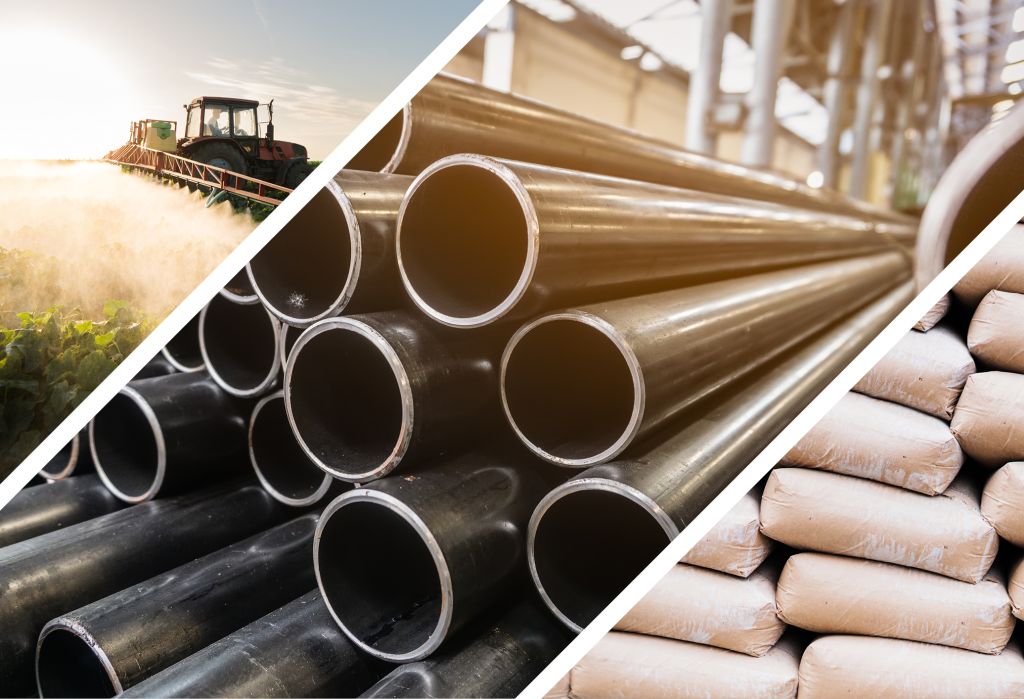
It concerns sectors producing iron and steel, cement, aluminum, fertilizer, electricity, and hydrogen.
The embedded emissions shall be verified by an independent body (verifier) that is accredited in the meaning of Regulation (EC) No 765/2008 by an EU (EEA) National Accreditation Body (NAB).
The European Commission published new Guidance on CBAM verification and accreditation for Verifiers and National Accreditation Bodies.
It provides practical guidance for the implementation of CBAM verification in the definitive period. Published on 24 August 2026, the document explains the roles and responsibilities of CBAM verifiers and National Accreditation Bodies (NABs) and provides guidance on accreditation, verification principles and the practical application of the relevant CBAM requirements.
Its purpose is to support a consistent, transparent and credible verification framework across the EU and to ensure that verifiers have the necessary competence and independence to assess embedded emissions data. The guidance therefore represents an important practical reference for verifiers seeking CBAM accreditation as well as for NABs responsible for assessing and supervising accredited verifiers. Discover CBAM and the role of accreditation here, and more details about the accreditation process will be published soon by EA.
To read the Guidance: https://taxation-customs.ec.europa.eu/carbon-border-adjustment-mechanism/cbam-legislation-and-guidance_en